Impact of Assimilation
Thesis Statement
In The New Boy, British colonialism is portrayed as having a devastating impact on Indigenous communities, disrupting their way of life, cultural, and spiritual practices.
Context Statement
The New Boy was set in 1940s Australia, during the Stolen Generations, which was a dark period in Australian history. The New Boy’s experiences mimic similar experiences held by other Indigenous children during this period. This policy, which lasted from the late 1800s to the 1970s, was intended to assimilate Aboriginal children into European society and erase their cultural identity. The impact on Aboriginal culture was devastating. It led to the loss of language, traditions, and spiritual connections to the land, as children were separated from their communities and heritage.

Explanation
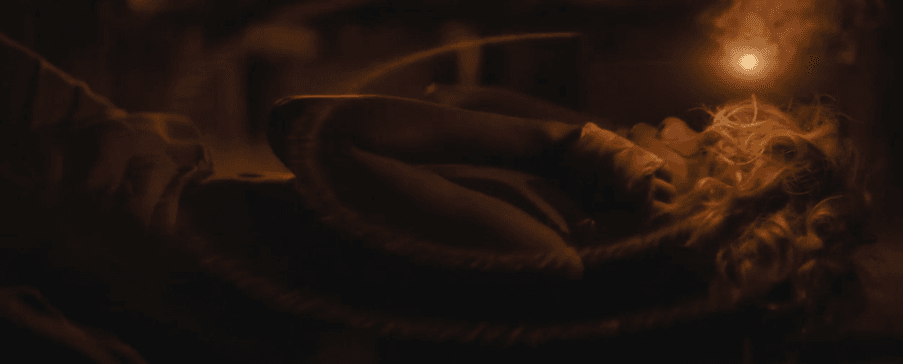
The New Boy drinks wine, which is commonly used in Christian rituals like the Holy Communion and represents the dominance of European beliefs over traditional Aboriginal spiritual practices. By participating in this act, the New Boy is being drawn into a system that disconnects him from his Indigenous spiritual practices, which are deeply connected to the land, ancestors, and nature. This act of drinking wine can be seen as a metaphor for the forced assimilation of Indigenous people, where their own cultural and spiritual beliefs are undermined.
Explanation
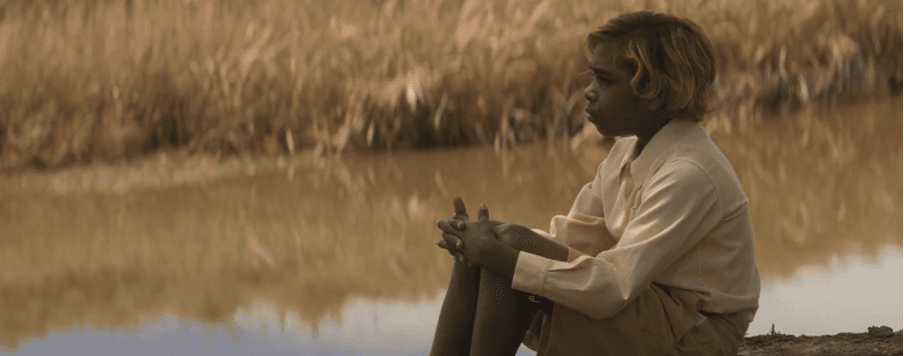
The environmental symbolism, colour palette, and the boy wearing sandals in this scene all work together to represent the forced assimilation of Aboriginal people. The dry, desolate landscape, combined with the warm, muted colours, symbolises a disconnection from the land, highlighting the boy’s alienation from his cultural roots. The boy’s choice to wear sandals, which is a subtle biblical allusion to Moses removing his shoes on sacred land in the story of the burning bush, suggests that he no longer perceives the land as sacred or connected to his heritage. This act, complemented with the barren surroundings, emphasises the removal his cultural ties and the impact of colonial assimilation.